


- Regular Price
- MRP 19.99
- Sale Price
- MRP 19.99
- Regular Price
- MRP 19.99
Sold Out
- Unit Price
- per
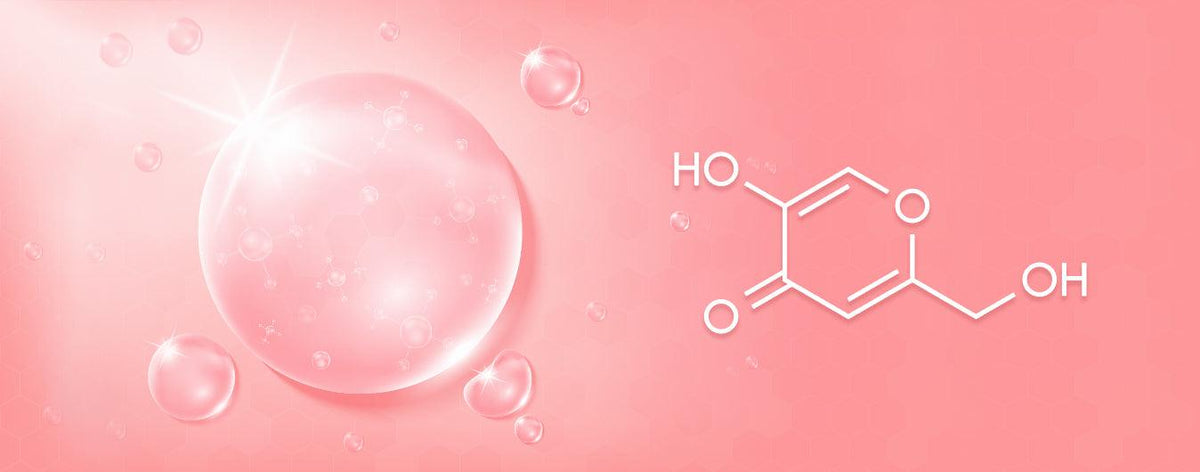
The benefits of using products containing kojic acid may include the following:
Kojic Acid
INCI: Kojic Acid
Also known as 5-Hydroxy-2-Hydroxymethyl-4-Pyrone
CAS Number: 501-30-4
CosIng Information:
Appearance: White to light yellow crystalline powder, slightly bitter taste
Odour: Odourless
Kojic Acid was discovered as a fungal natural product in 1907 by Saito from a fungus called aspergillus oryzae, also known as kōji mold grown on steamed rice. In 1912 Yabuta gave it the name Kojic Acid, and only in 1924 he deciphered the correct structure of the molecule of this acid. Aspergillus oryzae is used in Japanese food production to saccharify steamed rice, sweet potato, and barley in the making of alcoholic beverages, and to ferment soybeans for making soy sauce and miso. Because Kojic Acid is produced during the fermentation of these historically used dietary staples, it has a long history of consumption, and it has been consumed widely in the Japanese diet with the belief that it is of benefit to health.
Kojic Acid is also a compound used throughout history as an ingredient in many foods and also used as food preservative. It is widely used as a food additive for preventing enzymatic browning, and in cosmetic preparations as a skin-lightening or bleaching agent. It was used widely in cosmetic agents, particularly in Japan from 1988 to 2003, for its capacity to reduce hyperpigmentation. It is however controversial as it was banned in Japan and was recognized again as a skin lightening agent in 2008.Kojic dipalmitate is mentioned in the Inventory of Cosmetic Ingredients, but derivative esters of Kojic acids are also used. The substance is listed as an emollient, whereas Kojic acid itself is listed as an antioxidant. The Commission received a request from a Member State for a safety evaluation of the use of Kojic acid.
The data provided are from the IARC monographs, volume 79.
Kojic acid is an organic compound with the formula HOCH2C5H2O2OH. It is a derivative of 4-pyrone that functions in nature as a chelation agent produced by several species of fungi, especially Aspergillus oryzae, which has the Japanese common name koji. Kojic acid is a by-product in the fermentation process of malting rice for use in the manufacturing of sake, the Japanese rice wine. It is a mild inhibitor of the formation of pigment in plant and animal tissues and is used in food and cosmetics to preserve or change the colors of substances. It forms a bright red complex with ferric ions.
2% Kojic acid used in our “Schoolers dark spot and patch removal serum for neck,back,elbow,knee
&Ankle. This potent serum comes in the form of a lightweight serum,
it has always incorporated kojic acid as the key exfoliator, and subsequently.
it has been formulated for at-home use.
If you seek to improve the look of discolouration on your skin caused by sun damage, melasma and post-inflammatory hyperpigmentation that occurs after a blemish, kojic acid can be the answer you are looking for. Especially if your skin struggles to tolerate hydroquinone, a strong lightening agent, this ingredient will be a godsend to you. It is sourced from different types of fungi, like aspergillus oryzae, which has the Japanese common name of ‘koji’. Kojic acid is also a by-product when certain fermented foods like soy sauce, rice wine are prepared. A trendy additive found in many serums and depigmentation creams; let a skin expert detail everything you need to know about kojic acid.
According to Dr. ParulKhot, dermatologist and cosmetologist, Mumbai, “Kojic acid is a skin brightening compound found naturally in nature. It has been proven to be of high efficacy for lightening spot pigmentation and is a prominent ingredient in many lightening creams. The ingredient was first used in skincare in 1989 and has received a lot of popularity since then.”
Here are some of the major benefits of kojic acid, elaborated:
Kojic acid is known to block tyrosinase; the compound responsible for melanin production, and in turn, inhibits the production of excess pigment. This results in lightening sunspots, pigmentation, and marks left over by acne scars or pimples.
Kojic acid has the reputation of being a skin lightening ingredient when in reality, it only deals with dark spots and pigmentation marks that weren’t originally present in your natural skin tone. Skin darkening that is a result of sun damage, pregnancy and other hyperpigmentation issues can be targeted by kojic acid since it does not tamper with your natural skin tone. Which is why, this brightening compound can be used by dusky skin tones as well.
KA is a popular ingredient and is used by various industries globally (Cátia Gomes 1ORCID, 2020) (Coiffard, 2016).In the cosmetic industry, it is used as a topical treatment for skin conditions such as spots, melasma, and patches of light brown color resulting from post-inflammatory hyperpigmentation (Cátia Gomes 1ORCID, 2020) (Erica C Davis, 2010)(Ahmad Firdaus B. Lajis, 2012) (Nurunnabi, 2018) (Bhavana Tetali BS, 2019).
Kojic acid is also UV protective in nature, thus keeping your skin safe from sun damage related dullness, revealing brighter skin underneath.
KA has skin-lightening properties and can act as a UV protector, whereby it prevents the development of hyperpigmentation in human skin by inhibiting the formation of melanin through the prevention of tyrosinase formation.(Suhaili1, 2010) (Coiffard, 2016) (Erica C Davis, 2010)
Melasma is a common issue related to pregnancy in women and shows up as dark patches on the face and body. Kojic acid may be helpful in dealing with the melasma of the skin.
Kojic acid mechanism of action:
Melanin synthesis steps and its role in making pigmentation (Majid Saeedi a, 2019)
Melanin is synthesized by melanocytes at the lower layer of epidermis. Melanocytes are classified in the category of specialized dendritic cells that are located among epidermal keratinocytes and they play the primary role of melanin production within an organelle called melanosomes, and thus spread to surrounding keratinocytes. Each melanocyte makes contact with melanosomes in different stages of the dendritic cells and is distributed in many keratinocytes. Melanins are complex polymers that are derived from tyrosine and other intermediates. They change into black-brown eumelanin and yellow-red pheomelanin through a multi-stage process of oxidation and complex reactions that cause variations of color in the human population. Tyrosinase contains copper ion in the active site. When exposed to UV rays, the copper ion commands the tyrosinase to become more active. KA captures the copper ion, preventing that from activating the tyrosinase. By inhibiting the activities of tyrosinase, KA can also prevent creating melanin.
iv) Inhibits future appearance of scars:
While kojic acid will not be too helpful for thick scar tissue, it will definitely work on the superficial
appearance of scars and prevent future resurgence.
v) Has antibacterial and antifungal properties:
KA has antifungal and antibacterial properties. Preceding antimicrobial activity assays showed that KA was more active against Gram-negative bacteria than against Gram-positive bacteria (Karakaya, 2012). However, some of its derivatives have shown conflicting effects distinct from KA’s antibacterial activity (Karakaya, 2012).When used in cosmetic products, KA can prevent the growth of microorganisms and can be used as a preservative (Xin-Rui Wang a, 2019).
Due to its antifungal properties, KA is incorporated into some antifungal products to improve their effectiveness (Nurunnabi, 2018). Furthermore, it could be useful in treating various fungal infections of the skin as well as yeast infections, ringworm, athlete’s foot, and candidiasis (Nurunnabi, 2018).KA has anti-oxidant properties (Vinh Van Tran a, 2019)and is used as a substitute for hydroquinone (HQ) for skin lightening by the cosmeceutical industry(Karakaya, 2012) (Jinjing Zhang, 2017). Studies by Zhang et al. (2017) showed that KA improved oxidative stress response in fungi, thus showing the anti-oxidant ability of this metabolite(Jinjing Zhang, 2017). Other preceding bioactivity studies on KA revealed that it has anti-oxidant properties (Nurunnabi, 2018).
KA may exert slight anti-inflammatory effects that may favorably improve by subsequent derivation of chosen KA derivatives (Brtko J.1Rondahl L.1, 2004). In a recent study to develop a safe anti-inflammatory compound, a derivative of KA and p-coumaric acid were synthesized, as they are known to have anti-inflammatory properties. The study suggested that the anti-inflammatory action of KA was enhanced by adding cinnamate moiety in p-coumaric acid as a hydrophobic part (Miri Lee, 2019). A study assessed the anti-inflammatory activity of KA and p-coumaric acid and revealed that both possessed anti-inflammatory properties (Jinjing Zhang, 2017).
Dr. Khot revealed, “Kojic acid is available in the form of creams, serums and soaps. The safety concept is 1-4 % in concentration, but 1-2 % is the starter limit for first-time users. This brightening powerhouse is available as a solo product or in combination with vitamin C, retinol, glycolic acid, arbutin, etc. The frequency of use that I would recommend is twice a day, followed by sunscreen, mandatorily. Kojic acid takes at least four weeks to show results, so starting with that timeline in mind is a good idea. Post this, kojic acid has a high safety profile, so it can be safely used for a long time, even for months at a time without any side effects.”
Here are some simple tips on how to make the most of using kojic acid for the skin:
1. When used in powdered forms, always mix the recommended quantity with water or a mild lotion.
2. Interestingly, KA soap formulations are gaining popularity in Japan, the US and India. It looks like an orange semi-soft soap brick that you can use to lather up foam and wash your face with.
3. While kojic dipalmitate can be used independently, its benefits can be heightened by combining it with
AHAs like lactic acid, glycolic acid, vitamin C and arbutin.
4. When using kojic acid as creams and serums, allow the product to dry out completely before layering the next step in your skincare routine.
5. Make sure to follow instructions regarding different types of KA products. For instance, moisturizers can be used daily but kojic acid-infused face masks should be indulged in occasionally
Kojic acid is most commonly used in cosmetic products, such as creams, lotions, and serums. It is also used in some soaps. Many products with kojic acid are intended for use on the hands or face.
Products containing kojic acid can also be used on other parts of the body, such as the legs and arms. The concentration of kojic acid in cosmetics is often between 1 and 4 percent (Christina L Burnett 1, 2010) Trusted Source.
Certain products containing kojic acid, such as serums, are meant to be applied to the skin and left on and absorbed. Some products, such as soaps, are applied and washed off. While kojic acid is considered a fairly safe ingredient to use on a variety of skin types, it can be a bit overwhelming for some people. Dr. Khot says, “On rare occasions, red rashes, irritation, itching and burning sensations are associated with KA use. This can however be remedied by adding the compound azeloglicina to soothe the irritation. Also, people with sensitive skin must use it cautiously. Never use the ingredient on broken or irritable skin, and always use sunscreen in the morning to protect the skin.”
It is best to consult a dermatologist on the right KA product for your skin type. Once you know which one to use, follow your dermat's orders to avoid overly sensitizing your skin with the ingredient. If you do notice any adverse reactions to the product, discontinue use and follow up with a consultation immediately.
Kojic acid has the reputation of being a skin lightening ingredient when in reality, it only deals with dark spots and pigmentation marks that weren’t originally present in your natural skin tone. Skin darkening that is a result of sun damage, pregnancy and other hyperpigmentation issues can be targeted by kojic acid since it does not tamper with your natural skin tone. Which is why, this brightening compound can be used by dusky skin tones as well. KA-infused sheet masks or creams will not leave your glorious dusky skin tone looking ashy or chalky.
Wrapping up, Dr. Khot gave her stamp of approval in the use of kojic acid to deal with your pigmentation woes saying, “Kojic acid is an excellent brightening ingredient with high safety and tolerability profile. So, go ahead and choose a product with KA for clear, glowing, and beautiful skin!”
Dr. Khot revealed, “Kojic acid is available in the form of creams, serums and soaps. The safety concept is 1-4 % in concentration, but 1-2 % is the starter limit for first-time users. This brightening powerhouse is available as a solo product or in combination with vitamin C, retinol, glycolic acid, arbutin, etc. The frequency of use that I would recommend is twice a day, followed by sunscreen, mandatorily. Kojic acid takes at least four weeks to show results, so starting with that timeline in mind is a good idea. Post this, kojic acid has a high safety profile, so it can be safely used for a long time, even for months at a time without any side effects.”
Kojic acid has been used in skincare products for decades and it’s safe for kids.
It’s a natural ingredient that comes from fungi.
While kojic acid does have some mild antibacterial properties, it doesn’t disrupt the skin barrier or cause irritation.
In fact, studies suggest that kojic acid may even improve the way skin cells function and protect against damage caused by sun exposure. That said, no one should put anything on their skin (or use any product in general) without first consulting a doctor or dermatologist. Kojic acid can be irritating to those with sensitive skin or eczema (a condition that causes redness and itchiness all over the body), so you should look up your child’s personal medical history before using kojic acid on them—if you’re concerned at all about whether or not it might cause problems for them personally.
If you choose to go ahead with this treatment method anyway despite these precautions, then there are still some steps you should take:
What Age Can You Use Kojic Acid?
Kojic acid is a safe and effective skin lightener that you can use in small amounts on your child.
However, because of the sensitive nature of their skin, Kojic acid should not be used more often than once every two weeks until they are 6 years old.
Use caution if using it on babies because kojic acid tends to irritate delicate infant skin more easily than adult skin.
The following is an overview of how long you should wait before applying kojic acid again:
Adding a new product to your skin care regimen can be exciting, but before you dive in headfirst, be sure to keep these tips in mind.
The Cosmetic Ingredient Review Expert Panel Trusted Source (Christina L Burnett 1, 2010) decided that kojic acid is safe to use in cosmetics in concentrations of 1 percent. However, some individuals may still experience side effects or risks from its use. The Food and Drug Administration monitors quality and safety of cosmetics, so be sure to buy products from a reputable company in the United States.
Contact dermatitis is the most common side effect of kojic acid. It can manifest itself as redness, irritation, itchiness, rashes, swollen skin, or pain and discomfort. Contact dermatitis is most common in those with sensitive skin, or in individuals using a product with a higher concentration than 1 percent of kojic acid. Discontinue use if you’re reacting to a product with kojic acid in it. Over time, long-term use of kojic acid may make your skin more susceptible to sunburn. Keep this in mind, and be particularly mindful of using sunscreen or wearing protective clothing.
You should never use kojic acid on damaged or broken skin. Some countries have banned this product because of a potential connection to the development of cancer. Further research is needed to identify and understand any other potential side effects.
A. Since kojic acid also doubles up as a mild AHA, it can help give your skin the proper exfoliation needed for vitamin C to work its magic on dark spots and dullness. This combination can help fade stubborn pigmentation marks and give you an even-toned complexion with a radiant finish.
A. Yes, most kojic acid soaps are formulated by combining the gentle ingredient with other nourishing compounds like vitamin E and glycerin. This makes kojic acid soaps less drying, with its foaming lather cleaning your skin from within.
A. Yes, kojic acid can also be used to get rid of pigmentation on your lips. Lip balms infused with the compound should be used in combination with an SPF to help lighten lips and prevent further darkening due to factors like constant lip-licking or smoking.
A. The Cosmetic Ingredient Review Expert Panel decided that kojic acid is safe to use in cosmetics in concentrations of 1 percent. However, some individuals may still experience side effects or risks from its use.
A. Yes, kojic acid can function as a strong chemical exfoliator as well. In fact, many claims that it works on similar grounds as another popular chemical exfoliator, glycolic acid.
A. If your goal with KA is to treat melasma, then there is a tiny disappointment in there for you. Melasma is a chronic condition and doesn’t have a cure, as of yet. While kojic acid can help deal with the occasional melasma flare-up, it won’t cure it permanently.
A.How Often To Use It: This depends on what other ingredients it's compounded with and the concentration, but generally it can be used daily. Works Well With: Studies have shown that kojic acid works well with and enhances the effects of glycolic acid and hydroquinone, says Nazarian.
A.Kojic acid is not cytotoxic (that is not harmful to living cells) and therefore cannot permanently lighten your skin tone. However, you can enjoy the results as long as kojic acid or kojic acid dipalmitate are used.
A.Can kojic acid make you darker? No, kojic acid does not darken your skin. In fact, it has skin lightening effects. The best kojic acid cream for hyperpigmentation is available widely in the market that diminishes dark spots and brightens up your face and body.
A. Kojic Acid can remove tanning as it penetrates into the deeper layers of the skin and inhibits Melanogenesis, i.e., the synthesis of melanin.
A. While you have to wash off soaps and cleansers immediately after application, you can leave kojic acid serum, cream, or lotion on overnight for better absorption.
A.When using kojic acid topically, you'll likely start to see results within two weeks. You may see greater results — or faster results — if you also add glycolic acid to the treatment. Consult your dermatologist.
A.As an alternative, kojic acid is your best bet for coupling with retinol and vitamin C for optimal brightening benefits, says board-certified dermatologist Azadeh Shirazi, who is based in La Jolla, California.
A.Whether you have dry, oily, sensitive, or acne-prone skin, kojic acid is safe to use on all skin types. Dr. Ugonabo does warn those with sensitive skin to do a spot test with the product before slowly introducing it into your routine.
A.Niacinamide protects the skin from damage while Kojic Acid acts as a tyrosinase inhibitor and tackles hyperpigmentation.
A.Kojic acid takes at least four weeks to show results, so starting with that timeline in mind is a good idea. Post this, kojic acid has a high safety profile, so it can be safely used for a long time, even for months at a time without any side effects.”
A.Your baby's skin colour, whether dark or fair, is determined by his genes at the time of conception. Nothing you did during pregnancy or do now will change your baby's natural complexion. Genetics determine the amount of melanin in your baby's skin.
A. When comparing kojic acid vs glutathione, kojic acid has one advantage over glutathione; it is more stable under high heat conditions than glutathione.
A.The combination of kojic acid and tranexamic acid has been found to be effective in the treatment of melasma and hyperpigmentation.While the exact mechanism of action is unclear, it is believed that both compounds decrease melanin production by inhibiting tyrosinase activity in melanocytes.
A.You can definitely use Kojic Acid with Glutathione, and you should!
You can add a small amount of Kojic Acid to your Glutathione and use it as a soap or cream.
You could also mix them in a cream or lotion, a serum (usually watery), or even create your own cleanser by combining both ingredients.
Majid Saeedi a, M. E. (2019, 02). Kojic acid applications in cosmetic and pharmaceutical preparations , 11.
MDPI.
Miri Lee, H. S. (2019, 08 20). Anti-inflammatory Effects of a P-coumaric Acid and Kojic Acid Derivative in LPS-stimulated RAW264.7 Macrophage Cells , 4.
0 comments